Three Rivers Art Fest Draws Thousands

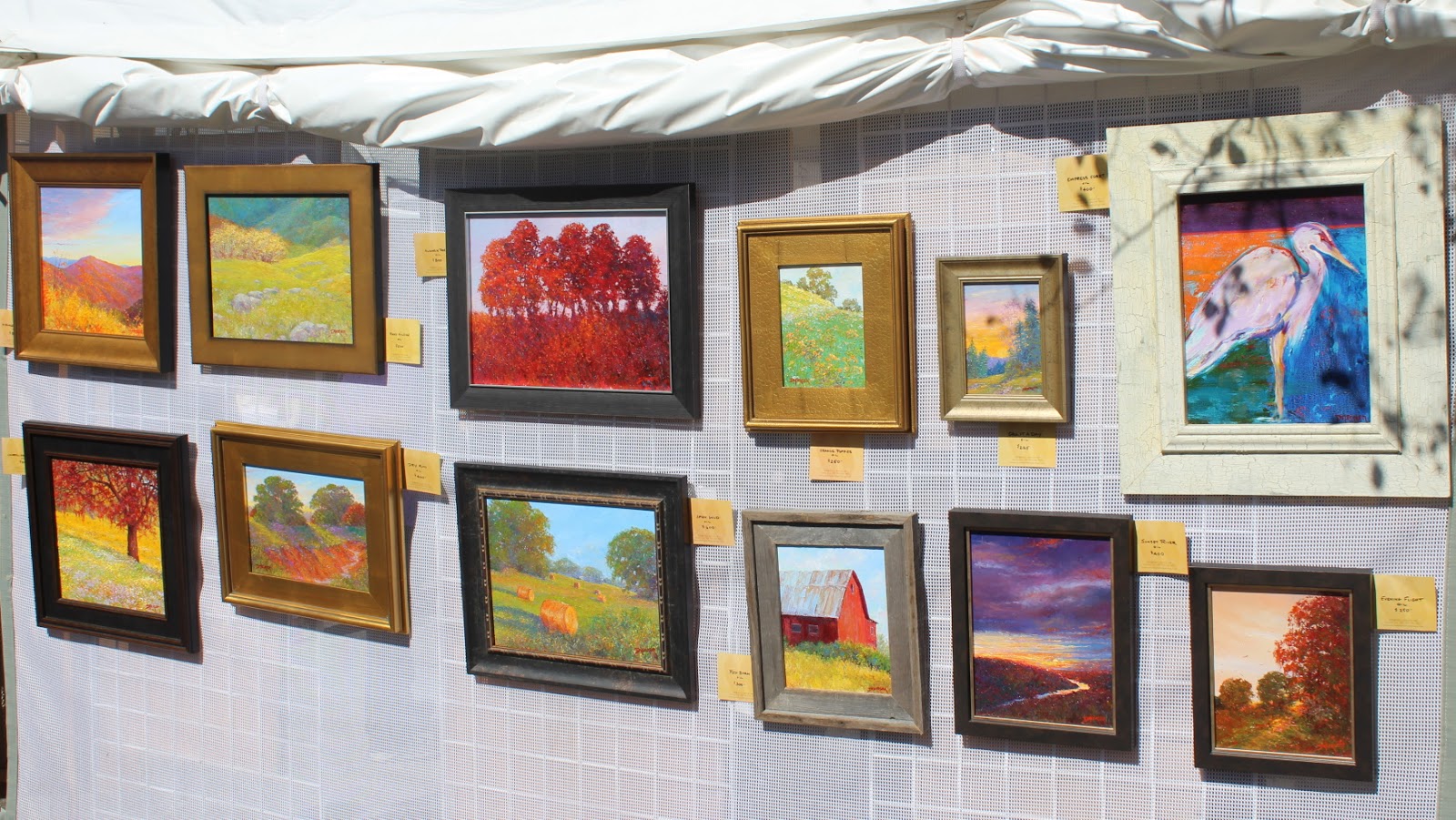
This year's Three Rivers Festival brought thousands of visitors and art enthusiasts to Covington recently, offering dozens of art-filled booths and exhibits along six blocks of Columbia Street in Covington, with a number of other galleries taking advantage of the thousands of festival visitors as well. 

Here are some photos from Saturday morning. The event continued through Sunday early afternoon. Click on the images to make them larger. 


Big Easy Birdhouses by Gary Ward


Musicians Everywhere


Spanish Guitar Music by Oliver

Music on the Edge of the Lake Stage was provided by Brooke Hagler, Christian Serpas, Kass and Jon Michael, The In-Laws, Maddi Tripp, Reed Alleman, Jake Gunter, and Kathryn Rose Wood. 


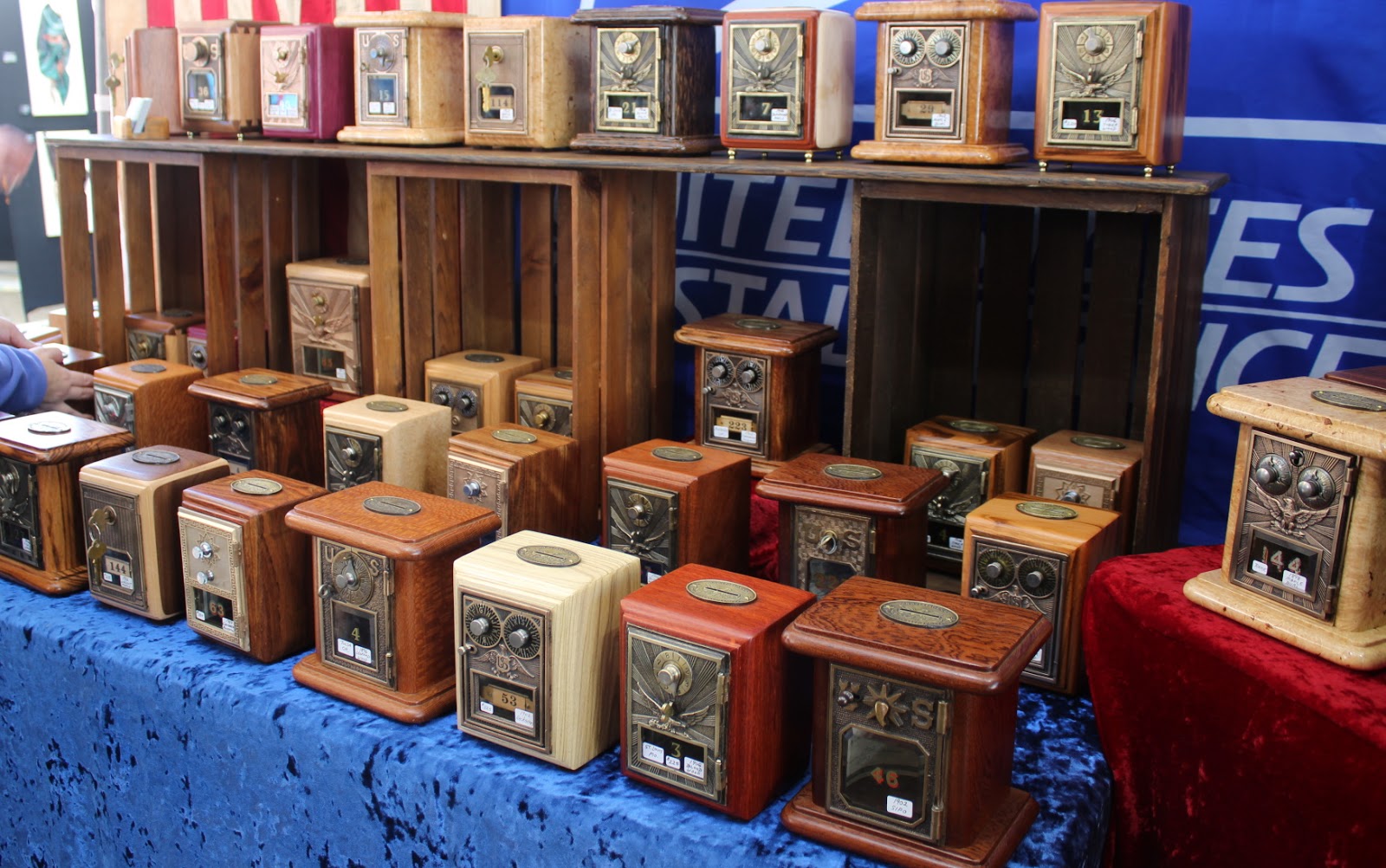
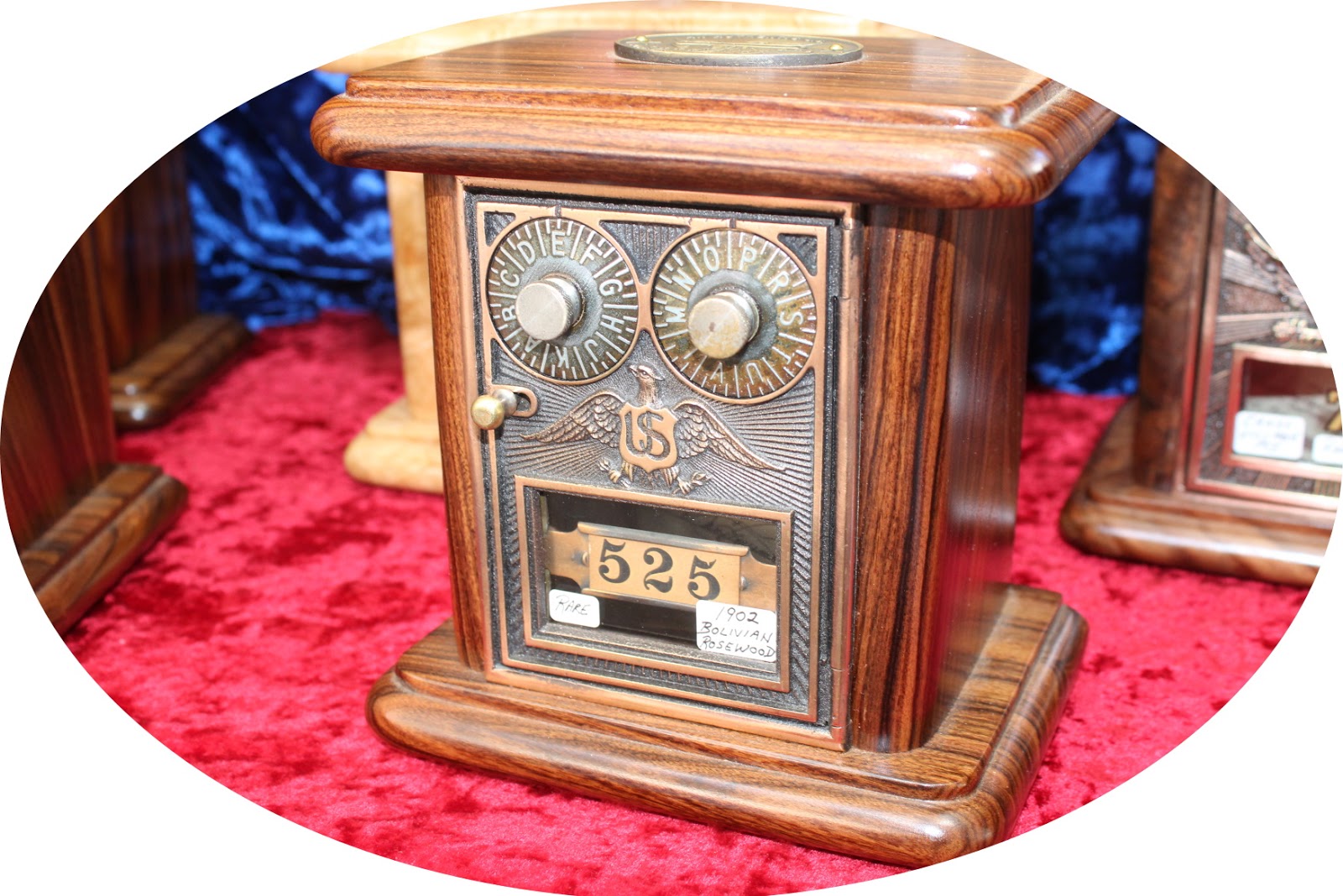
Decorative Post Office Boxes by Lone Wolf Woodworks


Old musical instrument horns reborn as I-Phone speakers by ReAcoustic (Ryan Boase)


At the St. Tammany Art Association 


See also:


Three Rivers Art Festival This Weekend

Three Rivers Art Festival Flows Into Covington

Three Rivers Art Festival - 2016

Student Art Exhibit

A student art exhibit was held at Heritage Bank's lobby on Columbia Street at this year's Three Rivers Art Festival in Covington. Here are some photos. Click on the images to make them larger. 


Vergez Family Legacy

Every town had its own blacksmith back at the beginning of the 1900's, and Covington was fortunate to have master blacksmith and artistic metalworker Auguste Vergez decide to locate in the community in 1901. He was born on April 24, 1873, in Mazerolles, France, and trained as a journeyman metalworker with a blacksmith there.  When Auguste became 18 years of age, in 1889, his Godfather, Henri Cazentre, a wine merchant in New Orleans, offered to sponsor his immigration to America, where opportunities abounded.

He first traveled to New Orleans, but longing for the countryside, he moved to Carencro, near Lafayette, where he first worked for a baker, then got a job with the local blacksmith. That's where he met his wife Berthe. They eloped from Carencro, got married in New Orleans by a judge, and then a month later, were persuaded by friends and relatives to have another wedding ceremony at St. Peter Church in Covington in 1901.


They made the move to Covington that same year, where he became a partner in the blacksmith shop of M. Gatipon. "It was a great opportunity for Auguste," said Sharon Vercellotti, his granddaughter . Click on the images to make them larger.


"He was very good at creating copper flashing for roofs and making all kinds of decorative metal work, so he opened his own  blacksmithing shop in 1905," she added.


A paragraph about the new business in 1905

The new shop was located near the campgrounds used by the farmers coming in from out-of-town to sell their goods. They would bring their produce in wagons to Covington, sell them, and then with the money buy supplies from local merchants for the trip back home. 


While they were here, they would bring their wagons in need of repairs to Auguste.  Covington was an important trade center, and being at the end of a wagon trail helped keep the blacksmith business humming. 

Sharon's husband, Dr. John R. Vercellotti, recalls hearing  many stories about Auguste and his sons Henri and Jules Paul, as they became the Covington area's most appreciated metalworkng service providers. It was widely known that Auguste had many talents. He designed and created many of his own tools. He was a wheelwright, which meant he could fashion perfectly round wheels for wagons. "And those things couldn't be lopsided," Vercellotti said. Auguste had all the equipment in the shop for bending metal strips. He also made "whipple trees," which are the bars of wood with metal parts that led from the buggy  to the horse. 


"They say it was fascinating to watch him bend the metal for the turn on a wheel," John commented. 


He also offered the first forge-welding service in the parish, a technique he had learned back in France. He invented a roadbed smoothing mechanism called a "sheep's foot," and his carriage work was always being improved, using the strongest and lightest materials available. 


The First Elevator


His two-story building on East 25th Avenue had the first elevator in St. Tammany Parish. It consisted of a platform with a system of ropes and counter-weights that he used to lift up entire work projects to the second story, where rows of windows on both sides gave him a great deal of light in which to do his work.  Plus on the second floor there was no dust to hinder his work, as there was on the bottom floor. The wagons were built on the first floor, then lifted up to the second floor where he did the final artistic touches. 

In this first building, they repaired many of the ox carts that came to Covington every day. "There would be as many as 100 ox carts per day coming down from the north, as far away as Mississippi, and coming down through Franklinton and Folsom," John said. "Those were all miserable muddy roads,  and they could only make six or seven miles per day with a team of six or eight oxen each."


"On the trip, the farmers would break wheels, they would break axles, they had all kinds of damage to the carts, so there was always a stream of ox carts being brought into the wagon shop for repairs," he said.
They would get to Covington, put the oxen in an ox lot, and then head for the repair shop.


The shop had equipment for wheelwright work, that is, building and repairing wheels, and wainwright work, which is building and repairing wagons. Auguste was also an expert gunsmith.  

Auguste was also known as a very good artist, and he would often make fancy carriages for wealthy families in the area, adding fascinating creative touches to them.  He was especially proud of his talent in painting designs on the sides of the commercial wagons.  As part of his artistry, he would decorate commercial wagons with symbols of their business,  putting a loaf of bread on the side of the bakery wagon, a picture of a hog's head on the butcher's wagon, and other metalwork items appropriate to the business. 


 He made a beautiful Sunday carriage for the Poole family back in 1903 and he also built carriages for the Smith family. "These carriages would be hand-crafted. He was an excellent woodworker in addition to being a metal worker," John stated.  "He had a forge and he knew how to blend various alloys and do various kinds of forging (beating or hammering softened metal into a shape.)"


Auguste had a knack for knowing, just by its color, when a piece of metal heated in the forge was ready for shaping. When it reach a certain temperature, Auguste could tell just by its intensity of color, that it would be possible for him to work it into what it needed to become. 


He was also chief of the Covington Volunteer Fire Department in 1910, and he built the community's first fire truck in 1908. He incorporated many improvements to the fire truck over the years, making it faster and more durable. His pumper wagon was very helpful in fighting fires, as opposed to the previous  method of hauling water-filled leather buckets to the scene. 


A 1910 group photo of the firefighters and their new engine. Among the firemen in the picture are Chief Henry Ostendorf, Wallace Poole, Leon Hebert Sr., Johnny Cotton, Emile Beaucoudray, Ernest Jones, Jack Pechon, Ike Herbie, Frank Patecek Sr., and Auguste Vergez. The "Friends In Need Covington Volunteer Fire Department" was organized on October 21, 1908.

 
Auguste shared the knowledge of those two crafts with his two sons Henri and Jules. They were born in the early 1900's, but by the time they were ready to join the business, things were already changing in the  industry. Auguste died on December 10, 1927, and his children continued his legacy of being key Covington citizens.

"Jules had a better feel for the technologically advanced components of the trade," John went on to say. They lived right across the street from the St. Tammany Ice and Manufacturing Co., which became the first electricity-producer in the area. The company needed the electricty to make ice, and nobody else in the area was making electricity, so Jules talked them into letting him run a wire from the plant over to their house where it powered a single light bulb hanging down from the ceiling of his mother's kitchen. 


First Light


As a result, Mrs. Vergez had the first residential electric light in Covington. "That was really something, and they always laughed about that," John said. "I don't think it was installed to code, because there were no 'electric codes' at that time, but that's how Jules learned how his electrical skills."


During World War I, Jules was in his teens and he went to work at the shipyard in Madisonville where he learned all about wiring the warships being built there.  He learned as much as he could about electricity and watched as the newly-founded electric companies began stringing lines all over town. So after the war, he went into business for himself, connecting those new powerlines into buildings. 


"In the 1930's Jules went on to become the most eminent and foremost electrician in all of St. Tammany Parish.  He was in-demand for his electrical knowledge and skills for about 40 years up until he died in the 1970's.


He wired all the original shopping centers in St. Tammany, and he did so much electrical work out at St. Joseph's Abbey that at one point they started calling him Brother Jules .  He was their master electrician for years and also was their chief maintenance guy for all the mechanical things out there.  He was buried in the Abbey cemetery, in fact. 


Henri's Artistry


Henri, on the other hand, was really good at visualizing a three-dimensional object and bringing it into reality through his skills and equipment at the shop. His metal-working and artistry became legend. He provided a wide variety of fabrication and repair work for everyone in the community, from fixing broken axles to repairing gun mechanisms. 


The Vergez Machine Shop in 1938

He also served the community as the chief of the volunteer fire department for many years, as had his father. The original fire station on Theard was right down the street from the Vergez metal shop. 


Sharon, Henri's daughter, recalls how the phones would ring at the fire station, and the family monitoring the phones, Louis and Alice Braun, would get the location of the fire, then activate the siren on the water tower, using a special code to tell the volunteers which street the fire was on. 

All the firefighters would head directly for the fire (instead of going to the fire station first), and Henri would jump in the fire truck and head for the fire as well. They all converged on the blaze at the same time, and it was a pretty successful system. 


Even at night, when there was a fire, Sharon's mother would bring her and her brother to the scene of the fire to watch the goings on. It was a memorable childhood experience.


The volunteers would meet once a week at the firehouse to learn the proper techniques for fighting fires, Sharon said. They learned fire hose maintenance and other key skills.


The Vergez children and friends at the old fire station. Left to right:  Shirley and John Braun, who lived in the fire house upstairs, Sharon Vergez and Melinda Blanchard, and Henri Leon Vergez, Jr.

Acetylene Welding

Jules Vergez (also known as Paul) was able to update the metalworking shop when he noticed that the new Model T Fords had headlights powered by acetylene lamps.  The company making those calcium-carbide acetylene headlights was called Presto-Light, and  Jules arranged with the company to purchase  acetylene welding equipment using the same principle and installed it in the Vergez shop, giving them a great new advantage in repair work. 


By introducing a new system of welding that had just been invented, they were able to offer a more modern welding service other than using just the forge to heat up the broken pieces. With the acetylene-powered cutting torch, they could also cut through steel beams, John explained. 

Mackie Pine Oil Plant

Vergez did a lot of work for the Mackie Pine plant just down Jefferson Avenue, where the new courthouse is located today. Having a quality repair shop so close was handy for Mackie Pine Oil because almost every day, something was breaking and needed to be fixed. Mrs. Vercellotti remembers the huge pile of pine knots that were stacked up high at the Mackie Pine Plant, later called the Delta Pine Oil plant. 


John recalls that J. H. "Harry" Warner got a job as a chemist with Mackie Pine Oil. He had just graduated from college with a chemistry degree, and his work brought him into contact with the Vergez family, and they became long-time friends. "He was a nice young man, and he had his office right across the road and that's where he did all the testing on the pitch that was taken from the pine stumps," John commented. Warner later became secretary-treasurer for the company. 


The Mackie Pine Oil plant was a continuing challenge for Auguste and Henri in their position as Covington fire chief, because of the occasional fire that would break out at the plant. In addition, the ditch flowing away from the plant southward along Jefferson Avenue would also sometimes fill with pine pitch and catch on fire. "It was a recurring problem,"  Sharon recalls. "The flames from the ditch would scare a person to death."


 In 1935, the entire plant exploded in flames and burned down, with fire departments called in from miles around to help fight the blaze.


New Block Building

The old wooden building that originally housed the Vergez operation was replaced in the early 1950's by a modern concrete block structure at the corner of Jefferson Avenue and East 25th Avenue. All of the vintage wheelwright and wainwright equipment was moved into the new building at that time.  Those were busy times for Henri, who was still doing the basic metalworking and wrought iron projects, plus the welding and repair work for many other customers. 


The new building, although one story, was sturdily built. "Everything he built was sturdy," Sharon stated. "Everything he built was designed well and built to last. Precision and exacting, it was a drive of his." 


Still visible on one interior plankwall of the building is the place where Henri would test the cattle branding irons he fabricated in the shop for area ranchers. The wall is filled with dozens of brands, representing the large number of cattle operations located in St. Tammany and Washington Parishes through the years.


Henri also made a variety of wrought iron items for use around the house, from candle holders to pot stands, which he gave out as gifts for friends. Sharon has a picture showing a candelabra he made.  

John recalls Henri sharing many stories of young Covington with the family, the way of life, the problems and the overall community progress being made, often through difficult times.


"For years, Henri was rated the best rifle shot in St. Tammany Parish," John said. "He could hit the center of a bulls-eye ten out of ten times." He was also very good at shooting pool, with many customers at Nathan's Bar and Grill enjoying his expertise with the pool cue. 


"There was often some side-betting going on among the customers," Sharon recalls, adding that Henri would never bet on himself, however. "He wouldn't do that," she said. 

"He was also a serious hunter," she added. "He had some great hunting dogs, setters and pointers, and he trained them all himself."


Many of the machines in the shop were powered by belts and pullies

While he and his workers went out occasionally to do work on site, most of the work was brought in from around the community to his shop, where he had the equipment all set up. The forge was there and the anvil was there to hammer metal into shapes, so it was not a portable operation. 


Henri died on April 10, 1989, and was buried in the historic Covington Cemetery No. 1, the same cemetery where his father Auguste and his mother Berthe had been laid to rest. His workshop, the concrete block building on Jefferson Ave., was emptied out in 2012, after taking pictures and  identifying all the tools and equipment and what they were each used for. "It was quite a challenge, cleaning out the building for the new tenants," Sharon said. Some of those tools were put on display at the LSU Burden Rural Life Museum in Baton Rouge, and a detailed photo catalogue pictures each one and tells what it was used for.   


Cemetery Presentation

Auguste's life was celebrated along with many other Covington pioneers during the 1994 history tour of the Covington cemetery. 


See also:


Blacksmithing Was A Key Community Service

When Competing Fire Companies Used To Race To Fires

V-LABS Earns Industry Recognitions

Connaughton Grocery

The Connaughton Grocery store operated out of the ground floor of the Southern Hotel building in the 1920's and 1930's. 


 James V. Connaughton is shown behind the counter in this photo, which was published in the St. Tammany Farmer on September 13, 1984. Click on the image to make it larger.


V-LABS Earns Industry Recognitions

Tucked away at the edge of downtown Covington is the office of V-LABS, a 40 year old company that provides consulting, manufacturing, and analytical chemistry services to chemical researchers, primarily in the field of sugar carbohydrates.


The walls in the company's front office are filled with framed certificates testifying to years of expertise and recognition from a wide-variety of industry groups. It is a small lab at heart, but the services it provides to carbohydrate researchers is vital, particularly in the area of food ingredients.


The setting has provided a great place for the Vercellotti family to explore the wonders of science and even share those wonders with interns from area high schools to acquaint them with the future job opportunities in chemical engineering. 

"We started the company in 1979 and mainly serve people who do specialized research in carbohydrates," Sharon Vercellotti, company president, explains. Because they deal in research, they always work in small quantities, she said. 


Sharon Vercellotti in the Lab

For years, although the chemical lab has been located in Covington, they didn't have any customers in Louisiana. Samples were sent and received by mail from all over the nation, as well as a few international locations. They have since served three or four Louisiana based clients, but the bulk of their business is still out-of-state with a few from Canada. 

Attending National Conferences

The field in which they work is high-level research that is very focused. They regularly attend national meetings of the national and regional American Chemical Society where they have taken part in the Society’s governance and met with many clients, either at the technical sessions or in the vendor area. "We would find out what their problems were and determine if we could solve them," Sharon commented.

A Love of Chemistry


As a young person, Sharon liked chemistry, and when she went to LSU she majored in the subject. "I was excited by all the big discoveries that were being made in chemistry at the time, and the field was very diverse and filled with opportunity," she explained.  But the biggest draw was the ability it afforded to solve problems.


"You could solve many, many things with chemistry, solve problems for people in ways that couldn't be done otherwise," she noted. 


She graduated from LSU  as a "Distinguished Student in Chemical Engineering," and went to Ohio State University for her graduate work. There she met Dr. John Vercellotti, Ph.D., who now serves as Vice President and Senior Chemist for V-LABS. 

Dr. John and Sharon Vercellotti

Since then, they have been involved with the American Chemical Society's Division of Small Chemical Businesses for many years, and their work with that organization called upon them to travel from time to time. "I really enjoyed the travel," Sharon stated.

The Fairbanks Adventure


One of the most memorable meetings they attended, and worked on putting together as well, was in Fairbanks, Alaska. "I had never been to Alaska, and I was able to get members of the small chemical business community to come together there, and it was a great turnout," she recalls. 


A full program of meetings and presentations was put together for the Fairbanks gathering, and because it was such an interesting place, a lot of people wanted to attend.  All the national officers of the American Chemical Society wanted to take part, and while most people came in by plane and then by bus or train, there was one member who rode his motorcycle up from Washington state, across Canada into Alaska and then into Fairbanks. "We were just getting off the bus, and there he was riding up on his motorcycle. It was quite an adventure," she said.


The events included a baseball game at midnight with the sun still up during the summer solstice, and a trip up from Fairbanks to the Arctic Circle. Having visited Alaska, she now keeps up with Alaskan news, and she is quite concerned about the melting ice and thawing of the permafrost. "It's really going on," she warns. 


When computers came along in the mid-1980's, the V-LABS work was readily adapted to the new tool. Computers helped them in a number of ways, not only in their lab work, but also in staying in communication with their clients far and wide. "We started using computers early," Sharon said. "And we were encouraged by our clients to continue the efforts. Computers were like magic when they first came into the workplace."

V-LABS Interns


 V-LABS has, from time to time, brought in high school students as "interns," teaching them the basics and giving them a headstart to what could be a lucrative career. "We would get students from local high schools to show them what opportunities are out there in this field, and I feel that's been a really valuable experience for many of them," Sharon stated.

Students with no idea of what the company did would gradually get a feel for the work and learn the techniques associated with it. "It was interesting," she said. "And many of them went on to college and continued their studies in chemistry. That pleased me endlessly."


She used to be a judge at local school science fairs, and it was good to see students realize how many problems that could be solved in the field of chemical research.  "I enjoyed working with the science fairs a whole lot," she said. "And it was encouraging to see some of the work they were doing in those projects."


Coming Home To Covington

Sharon and John feel fortunate to be able to live in Covington and operate a nationwide business. "I was very happy to come home to Covington," Sharon stated. She was born in Covington, but her husband John was born in Illinois.  She was in graduate school at Ohio State University when they met. In 1963 he had just gotten his Ph.D. and was going to stay another year in order to publish some of his research work.


The university has a huge chemistry department, and they gave him a job teaching freshmen chemistry. The first class had 430 students in it.  As a result, John was assigned five graduate students to assist him, and Sharon happened to be one of those. They got married and for the first several years, they were working at various schools far from Louisiana, he as a teacher and she as a worker in research centers.


They lived for a year in Italy while John was teaching at the Milan University as a "visiting scientist," and Sharon and their children enjoyed the experience living abroad. They were not only able to travel around Italy and see those sights, but John signed up with the U.S. State Department as an expert in the field of carbohydrates. As a result he got invitations to go to various other cities throughout Europe to help chemists solve their problems.  


Sharon fell in love with Italy and the Italians. "Every place in Italy is unique, and It's a place of many adventures," she stated.


After a while, they started talking about opening their own business and moving to Covington. "We would come back here to visit family for a holiday, and it was always fun to come back home," Sharon said. " I was so happy we found a way to work nationally and internationally and yet still be here in Covington. Clients would mail us their work no matter where we were located, so why not live here?"


Dr. Vercellotti's Recognition

One of many honors given to John was from the American Chemical Society's Division of Carbohydrate Chemistry
in 1994. 


One of John's teachers at Ohio State was a world famous carbohydrate scientist, Melville L. Wolfrom, and the 1994 Wolfrom Award recognized John for his "distinguished service to the Division and to the Field of Carbohydrate Chemistry."

John at work in the early days of his career

Last year Dr. John Vercellotti received an American Chemical Society certificate of recognition "in grateful appreciation" of his sixty years of service to the field.

A Tour of the Lab

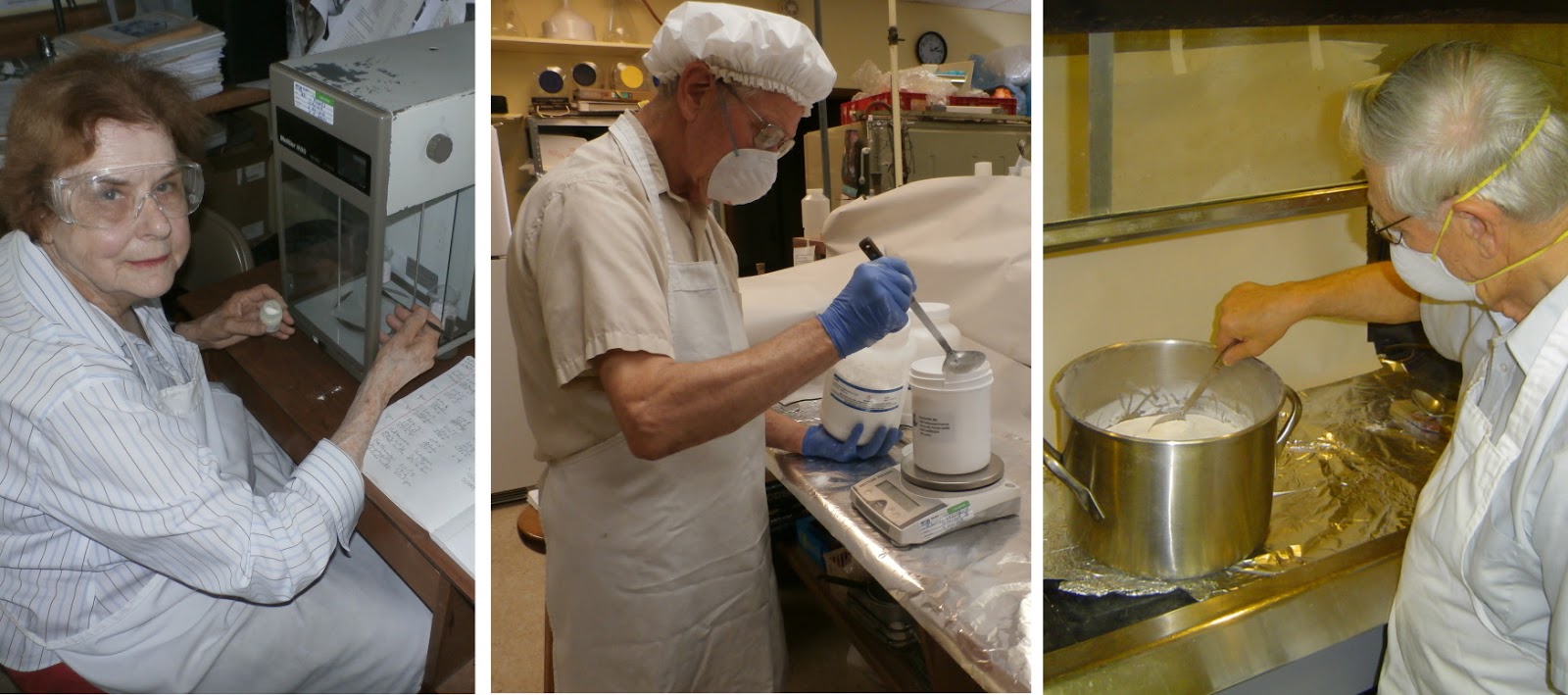
The V-LABS building contains an "instrument room" where various samples are tested using a variety of industry standard measuring devices. In the other room, the laboratory, large  centrifuges help separate solids out of liquids, and vacuum ovens dry the moisture out of the chemical compounds. 

Sharon with the measuring instruments in the lab. Using a variety of laboratory apparatuses, they are able to isolate and purify and measure the pH of the samples they are working with. 
Children Share Their Parents' Quest  in Art and Sound

Their daughter and son grew up immersed in the workings of the lab and absorbed the "milieu and thought climate of the scientific disciplines," John said.

Their daughter, Ellen Theresa Vercellotti, spent her childhood either at the lab or out the back door at her grandparents’ home.  Ellen has spent many hours on the lab benches of V-LABS perfecting her art skills She went on to gain a bachelor’s degree from Southeastern, a master’s degree in theatre arts from Emerson University in Boston, MA, , and after a further art curriculum at Southeastern, full Louisiana certification in Art Education K-12. 


During her time teaching in Orleans Parish she added ancillary certification for Talented Art and Talented Theatre.. She has taught in the Talented Art curriculum of the Jefferson Parish Public Schools as well as, at present, in the Bogalusa City Schools. She uses the convenience of the lab location and computers for planning lessons. 

Their daughter Ellen is shown at left working on her art lessons and their son Paul is shown with the Television Academy Engineering Emmy Award he and his co-workers won last year, the coveted Philo T. Farnsworth Award for Pioneering Technology and Contributions to the Television Industry.

Son Excels In Software Engineering

The effect of the lab environment on the technical interests of their son, Paul Auguste Vercellotti, encouraged him to become a widely-recognized expert in the field of digital audio recording.

In the 1980's, their young son Paul was particularly enthralled with the early computers, writing programs in Basic when he was ten years old, and creating software that generated intricate fractal designs. On the wall of the V-LABS office is a set for four colored fractal pictures that he generated using early computer calculations. He used a Texas Instruments computer, one of the earliest, to experiment and develop his programming skills. 

"He was really captured by that, and today he works for a digital recording company in California," Sharon explained. "He does recording work all around the world. I never know where he is."  


John explained that his son serves as a software architect for Avid Technologies, particularly their Pro Tools digital imaging and digital audio and transmission services. He also works on Universal Studios Hollywood programs providing sound recording and engineering. In 2018 he was part of the group that won a Television Academy Engineering Emmy known as the Philo T. Farnsworth Award for Pioneering Technology and Contributions to the Television Industry over the past 30 years.

Having inherited the inventiveness and diligence of his grandfather, Henri Vergez, as well as the drive and focus of his parents, Paul Vercellotti has gone to the top levels of his field with his work for Pro Tools audio computer services worldwide.


Sharon Vercellotti's Recognition

A graduate of Covington High and Valedictorian of her Class of 1959, Sharon also recalls taking part in the opening ceremony of the Lake Pontchartrain Causeway in 1956 as one of the young women in attendance as well as being in the Tung Nut Festival Queen entourage. 


These days she enjoys going to the Covington Farmer's Market and Art Market, as well as the Friday Night Block Parties on Columbia Street.  At those events, she gets to visit with people that she doesn't get to see regularly. It's a gathering place for all of Covington, with the music and antique car show.  "It's a treat," she says. 


This home-grown native who enjoys living and working in downtown Covington was recently named by the Marquis Who's Who publication as one of the being One of the Outstanding Women of the Twentieth Century. 

Working in the laboratory


In 2011, the American Chemical Society recognized Sharon for "Excellence in the Chemical Sciences," designating her as a Fellow of The American Chemical Society, and in 2014 the East Texas Section of the American Chemical Society brought her in to give a presentation on "Chemical Professionals As Entrepreneurs." 
 
A major presentation will soon be given in Las Vegas highlighting some of the work done at V-LABS by Sharon Vercellotti beginning back in the 1980's. It will tell of an achievement that originated in V-LABS and was carried forward by a company in New York. "It is being announced at an international biochemical nutrition conference for ingredients in food, particularly nutraceuticals," John explained.

John is excited about the recognition that his wife and their company will receive as a result of this presentation. "The medical doctor giving the presentation will be telling about a new food ingredient that improves the immune system and its biomedical effects," John went on to say.


"We did all the preparation of it here at V-LABS, and it all started over 30 years ago with Sharon developing a purified component from a yeast cell-wall.  Her having taken a number of chemical engineering courses at LSU helped her do a remarkable job on it. After 15 years of producing it and working with it here at V-LABS, it was then turned over to chemical engineers at the company, Immudyne, Inc., in Florence, KY, to start making larger amounts. This year Immudyne moved the plant to a bigger high tech site in Pensacola, FL to make these same products", John said. 


So the small chemical consulting firm in downtown Covington continues to earn even greater recognition for the dedication and successful work accomplished by Dr. John Vercellotti and his wife Sharon Vergez Vercellotti over the past four decades.